


Rediscover how your ankles help you adapt to every step, every direction, and every movement throughout the day.
We rely on our ankles every day, yet rarely give them much thought.
From the first step you take in the morning to walking, climbing stairs, traveling, exercising, or simply standing and talking with someone, your ankles are constantly involved in the way your body moves.
Many people don't begin to notice their ankles until movement no longer feels as natural or comfortable as it once did.
But what's worth paying attention to isn't just your ankles themselves—it's how they help your body adapt to different surfaces, changing directions, and the countless movements that make up everyday life.
Throughout the day, your ankles play an important role in activities such as:
●Walking
●Climbing stairs
●Standing for extended periods
●Traveling
●Hiking
●Quick directional changes during sports
●Moving across different types of terrain
Whether you're walking on smooth sidewalks, climbing stairs, or exploring uneven trails, your ankles continually adjust the way your body connects with the ground, helping you move with balance and confidence.
Your Ankles Do More Than Connect Your Feet to Your Legs
Your ankles form one of the body's primary connections with the ground.
They do much more than support your body weight.
They help your lower body adapt to changing directions, different walking patterns, and uneven surfaces.
From walking and turning to climbing stairs and enjoying outdoor activities, your ankles work together with your calves, knees, hips, and surrounding muscles to transfer force naturally while helping maintain balance and coordination.
The way your ankles move is closely connected to the overall quality of lower-body movement.
Every Step Involves More Than Your Ankles
Each time you take a step, change direction, or walk across a different surface, it may seem like your ankles are doing all the work.
In reality, every step involves coordinated movement between your ankles, calves, knees, hips, and the rest of your lower body.

When we spend long periods repeating the same movement patterns or maintaining similar activity habits, the natural coordination between these areas may gradually change.
You may begin to notice things such as:
●Feeling less steady while walking
●Hesitating more on uneven ground
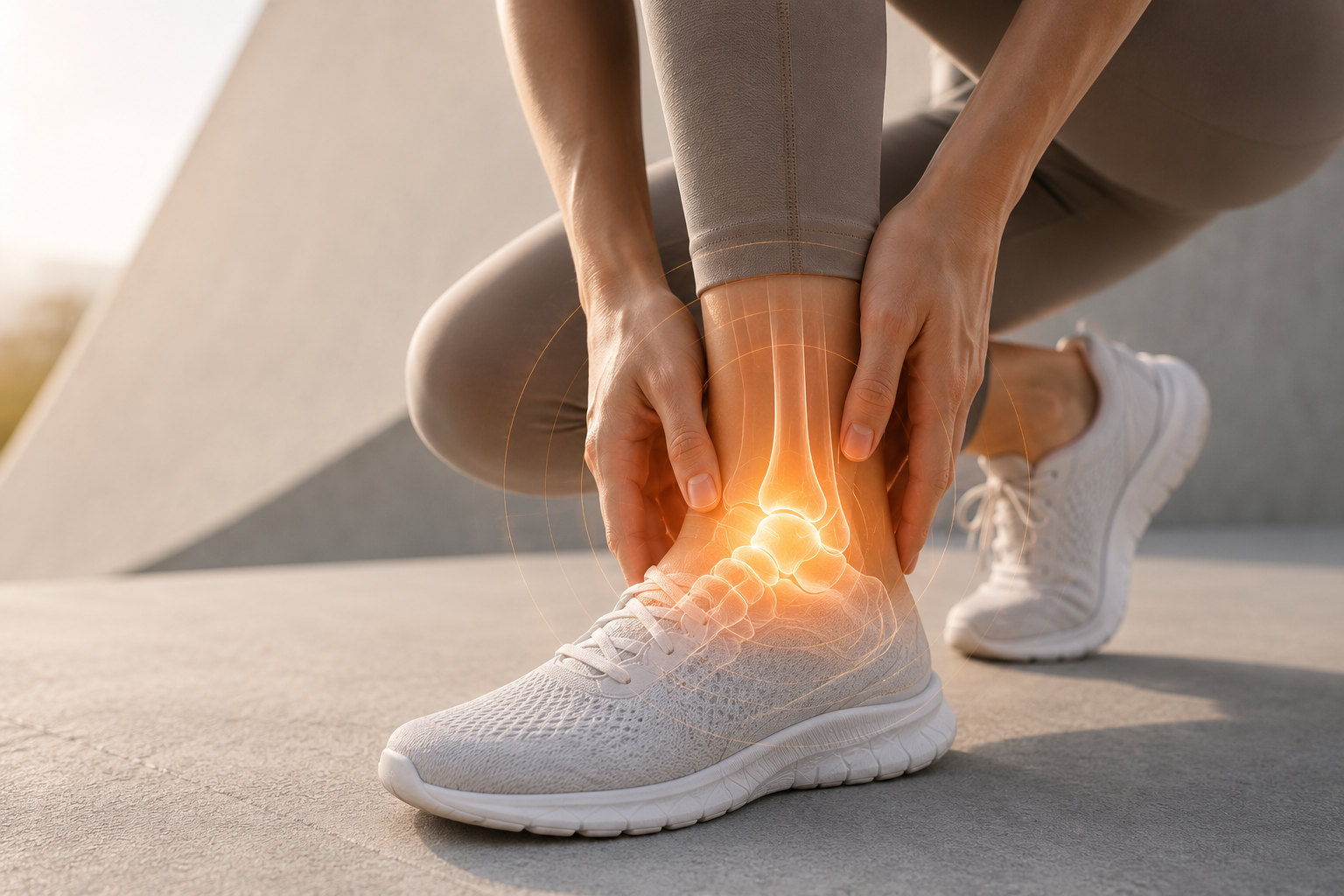
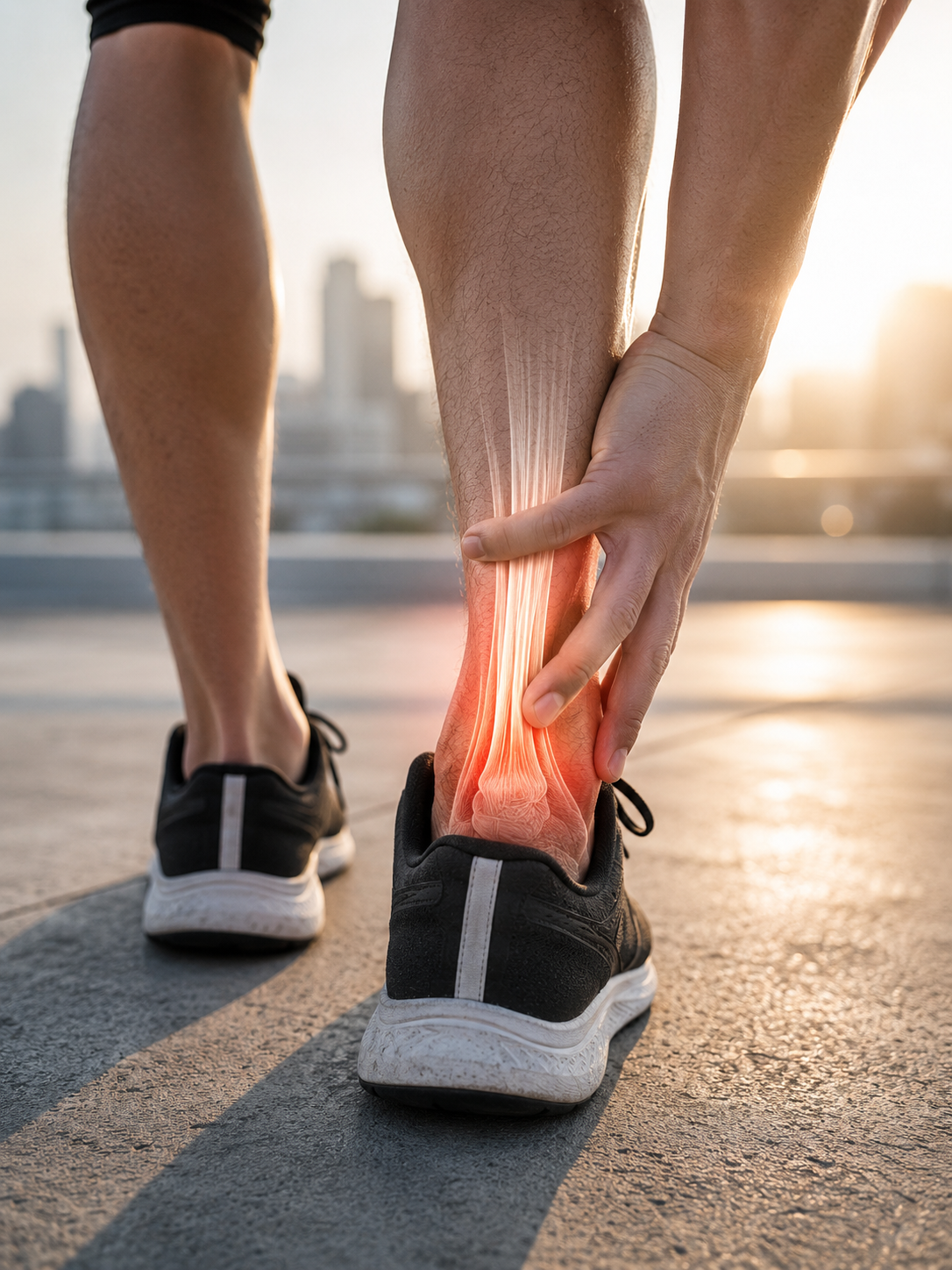
●Tired ankles after standing for long periods
●Less confidence when turning or changing direction
●Tightness around the ankles after extended activity
These experiences don't necessarily indicate an injury, nor can they always be explained by a single cause. They're also common in everyday life.
However, if discomfort persists, becomes more frequent, or begins to interfere with your daily activities, it's a good idea to seek advice from a qualified healthcare professional.
They may also be a reminder to pay closer attention to your daily movement habits and the overall movement patterns of your lower body.
Healthy Movement Is Built One Day at a Time
If you're recovering from an acute injury or following advice from your physician or physical therapist, always follow the guidance of your healthcare professional.
For most people looking to maintain comfortable everyday movement, the goal isn't to avoid activity altogether.
Instead, it's about building consistent movement habits that work with your body and fit naturally into everyday life.
Simple habits can make a meaningful difference over time, including:
●Keeping your ankles and calves moving throughout the day
●Walking more whenever possible
●Warming up before physical activity
●Stretching after exercise
●Exploring a variety of everyday movements

Small changes add up.
Consistent daily habits often contribute more to long-term movement quality than occasional long periods of complete rest.
Designed Around Everyday Movement
At Vital Salveo, we believe great wearable design isn't created only for exercise.
It should support the way people move through everyday life.
For those looking to add a greater sense of comfort and coverage around the ankles during daily activities, thoughtfully designed movement wear can become part of an active lifestyle.
Every design begins by understanding how the ankles adapt through walking, climbing stairs, changing direction, navigating uneven surfaces, and countless everyday movements.
By combining adaptive fit, flexibility, and dynamic coverage, our goal is to create movement wear that feels like a natural part of everyday life.
Our Wearable Design Philosophy
Our wearable design philosophy is built around three core principles.
3D Dynamic Structure
Your ankles continuously adapt to different surfaces, directions, and movement patterns throughout the day.
That's why wearable design should move naturally with your body—not ask your body to adapt to it.
3D Dynamic Structure reflects our approach to ergonomic fit, adaptive compression, and seamless construction.
Rather than focusing on one specific activity, it is designed to provide a comfortable wearing experience across a wide variety of everyday situations.
Whether you're walking through the city, hiking a trail, traveling, exercising, or simply moving through your daily routine, our goal is to create movement wear that feels natural from morning to evening.
Thermal Trigger
Your body naturally generates warmth throughout everyday movement.
Thermal Trigger reflects Vital Salveo's material design philosophy, inspired by this natural process.
By thoughtfully selecting materials and considering how garments are worn throughout the day, we aim to create a comfortable wearing experience across different environments and daily routines.
Our goal is for technology to blend naturally into everyday life—not to change it.
Photo Dynamic Modulation
Together with 3D Dynamic Structure and Thermal Trigger, Photo Dynamic Modulation forms part of Vital Salveo's overall wearable design philosophy.
Rather than describing a specific technology or performance claim, it represents our ongoing exploration of material innovation, wearing comfort, and the everyday experience of movement.
These principles describe how we think about wearable design.
They are not intended as medical, therapeutic, or performance claims.
Our goal is to create movement wear that fits naturally into everyday life while supporting a comfortable wearing experience.
Better Movement Begins with Everyday Habits
Taking care of your ankles doesn't always mean moving less.
Often, it begins with paying a little more attention to how you move throughout the day.
Every step you take.
Every change in direction.
Every staircase.
Every new path.
Everyday movement shapes the habits your body builds over time.
Small changes add up.
Over time, consistent habits can help support smoother, more confident movement throughout everyday life.
Because moving well isn't about doing less.
It's about moving more thoughtfully.
Protect Every Movement.
Wake Up Your Body's Potential.
At Vital Salveo, we believe great wearable design begins with understanding how people naturally move.
That's why every design decision starts with movement—creating thoughtfully designed movement wear that fits naturally into everyday life and feels comfortable across a wide range of daily activities.
Whether you're working, traveling, exercising, exploring the outdoors, or simply going about your everyday routine, our goal is to create wearable designs that become a natural part of the way you move.


Share:
Sitting All Day? It May Be More Than Just Sitting Too Long.
Every Reach Involves More Than Your Shoulder.